From Analytics to Strategy: Applying Ecommerce Analytics to Optimize Your Multi-Channel Framework
Ecommerce analytics serve as a cornerstone for businesses aiming to refine their cross-channel approaches. By converting raw data into actionable insights, businesses can elevate customer satisfaction and refine marketing campaigns. Essential metrics expose patterns in customer activity, supporting well-informed business decisions. However, the task of successfully utilizing this data can be challenging. Grasping the complexities of these analytics can reveal significant advantages for brands maneuvering a competitive landscape. What measures should be implemented to capitalize on this potential?
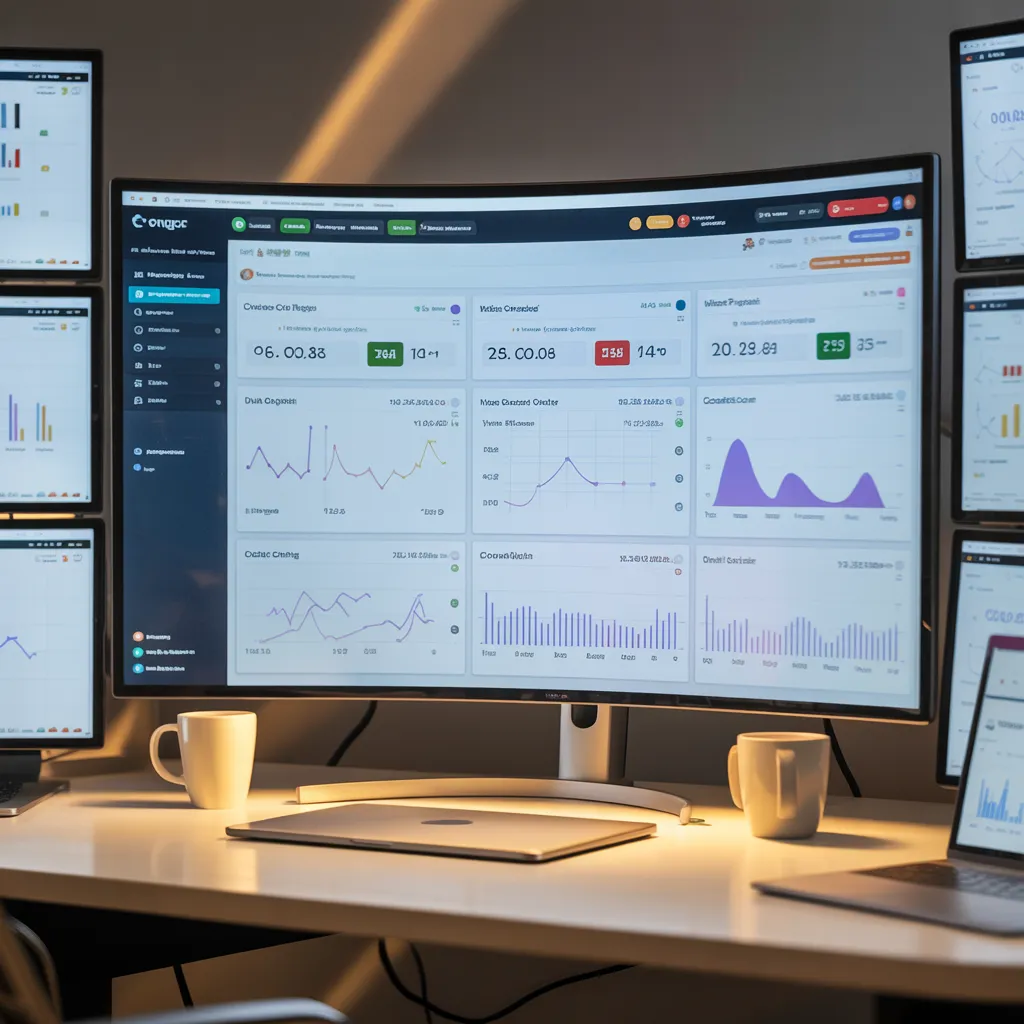
Grasping Ecommerce Analytics: Why It Counts
Within an ever-growing competitive digital space, understanding ecommerce analytics is crucial for businesses seeking to optimize their performance. Ecommerce analytics encompasses the collection and analysis of data related to online shopping behaviors, sales trends, and customer interactions across various platforms. By capitalizing on these insights, businesses can pinpoint the factors that boost customer engagement and conversion rates.
Furthermore, digital commerce analytics allows organizations to assess the effectiveness of their marketing campaigns, stock management, and overall customer experience. This insight enables organizations to reach informed decisions, personalize their offerings, and boost customer satisfaction. As consumers increasingly interact through multiple channels, comprehending the subtleties of their behaviors remains crucial for long-term growth. At its core, a solid command of ecommerce analytics arms businesses with the resources needed to navigate market changes and improve their competitive edge in a rapidly evolving environment.
Vital Online Retail Analytics KPIs for Multi-Channel Performance
Which metrics are critical for navigating the challenges of a multi-channel ecommerce approach? Fundamental performance indicators (KPIs) like conversion rate, customer acquisition cost, and average order value act as primary benchmarks. Conversion rate measures the percentage of visitors who complete a purchase, highlighting the effectiveness of marketing efforts across channels. Customer acquisition cost indicates the resources necessary to secure new customers, empowering businesses to measure their marketing strategies' performance. Average order value provides insights into spending behavior, guiding pricing and promotional strategies.
Additionally, key indicators like customer lifetime value (CLV) and return on advertising spend (ROAS) provide deeper insights into profitability and long-term customer engagement. Evaluating these metrics empowers ecommerce businesses to identify successful channels, optimize resource allocation, and enhance overall performance. By prioritizing these key metrics, companies can make informed decisions that drive multi-channel success.
How to Gather Data Across Multiple Platforms
Effective data collection across diverse platforms is vital for enhancing a multi-channel ecommerce strategy. Businesses can employ a range of tools to collect insights from various sources, including email marketing, websites, and social media platforms. Leveraging analytics platforms like Google Analytics allows monitoring of user behavior and conversion metrics across all channels.
Integrating CRM solutions helps consolidate user data, delivering a thorough understanding of user behavior and preferences. Additionally, utilizing APIs supports efficient data transfer among systems, guaranteeing up-to-date information and analytics.
Surveys and feedback forms can likewise serve as valuable tools for gathering qualitative data directly from customers. By utilizing these approaches, businesses can build a comprehensive data ecosystem that strengthens decision-making processes. This comprehensive approach to data collection not only enriches understanding of customer journeys but also sets the stage for future personalized experiences.
Utilizing Customer Behavior Data to Customize Shopping Experiences
In the world of ecommerce, harnessing consumer behavior analytics can considerably elevate the shopping experience. By incorporating customized product recommendations, businesses can steer shoppers toward offerings that suit their needs. applicable information Additionally, flexible pricing approaches enable real-time modifications that mirror personal purchasing behavior, maximizing both engagement and sales.
Personalized Product Suggestions
Customized product recommendations greatly enhance the online shopping experience by harnessing consumer behavioral insights. By examining previous buying history, navigation patterns, and merchandise evaluations, digital shopping platforms can create personalized suggestions that resonate with individual preferences. This precise method not only enhances consumer fulfillment but also fosters brand loyalty, as shoppers feel understood and valued. Moreover, applying artificial intelligence tools empowers retailers to enhance their proposals progressively, keeping pace with shifting market demands and behaviors. As a result, tailored recommendations generate increased conversion rates and typical transaction amounts, ultimately contributing to enhanced profitability. By focusing on individualized interactions, retailers can effectively differentiate themselves in a competitive market. This method exemplifies how analytical findings can revolutionize the purchasing experience into a deeply personalized and compelling experience.
Dynamic Pricing Strategies
Dynamic pricing strategies revolutionize how digital commerce companies adapt to customer behavior, allowing for real-time adjustments based on consumer demand, rival pricing, and unique shopping behaviors. By evaluating buyer data, companies can pinpoint patterns and inclinations, adjusting rates to elevate the purchasing experience. For instance, prices may vary according to the time of day, seasonality, or consumer demographics, successfully attracting prospective customers. This approach not only maximizes revenue but also improves customer satisfaction by offering personalized deals. Additionally, combining dynamic pricing with data analysis cultivates a strategic benefit, as organizations can quickly adjust to marketplace fluctuations. Ultimately, harnessing buyer activity data for pricing strategies reshapes standard transactions into individualized engagements, driving loyalty and long-term growth in a multi-channel environment.
How to Utilize Data to Strengthen Marketing Strategies
Robust marketing plans are built upon a thorough understanding of target audience analysis and campaign performance metrics. By leveraging data insights, companies can customize their marketing initiatives to resonate with specific consumer segments. This focused methodology not only enhances engagement but also optimizes overall campaign effectiveness.
Target Audience Assessment
Comprehending the intended audience is vital for improving marketing strategies in a multichannel digital commerce setting. By leveraging analytical data, organizations can identify audience demographic patterns, consumer preferences, and purchasing behaviors. Segmenting the target audience based on these data-driven insights enables personalized marketing initiatives that connect more powerfully. For instance, examining customer interactions across multiple platforms can uncover which marketing channels yield the highest engagement, directing resource distribution. Additionally, understanding psychographics allows companies to develop messaging that reflect their audience's values and lifestyle. Continuous monitoring of consumer data confirms that promotional strategies remain relevant and responsive to evolving consumer behaviors. Ultimately, a thorough target audience evaluation increases the effectiveness of marketing initiatives, delivering stronger customer acquisition and retention performance.
Campaign Analytics Metrics
Examining marketing performance data provides critical information that can strengthen advertising efforts in a diverse ecommerce environment. By tracking core performance factors such as sales conversion figures, return on ad spend (ROAS), and consumer participation, businesses can determine which channels produce the highest ROI. Assessing data points including click engagement rates (CTR) and typical purchase amount (AOV) helps marketers comprehend consumer behavior and preferences. Additionally, segmenting data by demographics or channel enables targeted adjustments in campaigns, ensuring resources are allocated effectively. Regularly reviewing these metrics fosters a culture of data-driven decision-making, enabling advertising professionals to refine their strategies in real-time. Ultimately, leveraging campaign performance metrics is essential for optimizing marketing efforts and attaining long-term success in a rapidly evolving online retail landscape.
Crafting a Seamless Client Journey Using Insights
A strategically built customer journey can significantly improve a organization's ability to engage and retain customers across numerous touchpoints. By utilizing ecommerce analytics, organizations can obtain critical information into customer patterns and tendencies. This intelligence allows for the discovery of key touchpoints where customers connect with the business, enabling a more personalized experience.
Understanding the customer journey entails analyzing data from various sources, such as online engagement, social media engagement, and email communications. Such information can help businesses optimize content and tailor communications to unique preferences, delivering a unified experience. Furthermore, tracking customer feedback and challenges provides opportunities for ongoing enhancement.
Fundamentally, a smooth customer journey not only strengthens loyalty but also improves conversion rates. By utilizing analytics efficiently, brands can craft a unified approach that engages customers, inspiring them to connect through multiple platforms while strengthening their connection to the brand.
Ecommerce Analytics Case Studies From Industry-Leading Brands
Progress in ecommerce analytics is commonly highlighted through the significant evolution of prominent brands. Brands such as Amazon and Nike demonstrate how analytics-driven approaches can improve customer engagement and boost sales. Amazon utilizes sophisticated algorithms to analyze purchasing patterns, allowing for personalized recommendations that substantially improve sales conversion rates.
Nike, on the other hand utilizes data analytics to improve its omnichannel operations. Through the combination of digital and physical data, Nike has streamlined inventory control and tailored its marketing efforts, leading to greater customer retention and financial growth.
Similarly, Sephora leverages advanced analytics to improve its customer experience through targeted promotions and loyalty programs, leading to stronger retention outcomes. These compelling examples showcase the remarkable impact that ecommerce analytics provides, allowing companies to form strategic decisions and refine their strategies effectively. As the industry continues to evolve, the capacity to analyze data will continue to be a decisive element for excelling in the dynamic ecommerce landscape.
Common Questions and Answers
How Frequently Should I Check My Ecommerce Analytics Data?
Periodically assessing ecommerce metrics on a weekly basis allows businesses to detect trends, improve strategies, and reach educated conclusions. In-depth monthly assessments additionally improve insight into and alignment with shifting market conditions.
What Tools Are Best for Tracking Multi-Channel Performance?
Google Analytics, HubSpot, and SEMrush are exceptional platforms for measuring cross-channel performance. They deliver in-depth analytics, enabling users to evaluate data across diverse channels, improve campaign strategies, and enhance overall marketing effectiveness for better decision-making.
Is It Possible to Integrate Analytics With My Current CRM System?
Yes, integrating analytics with an existing CRM system is possible. A wide range of CRM platforms include built-in tools or compatible plugins designed to support data synchronization, enabling businesses to leverage insights for improved customer engagement and decision-making.
How Do I Ensure Data Privacy in My Analytics Approach?
To protect data privacy in analytics, businesses should establish strong encryption, carry out periodic audits, and comply with guidelines like privacy frameworks. Training employees on data management practices helps secure sensitive information while preserving consumer confidence.
Which Common Mistakes Should I Avoid When Using Ecommerce Analytics?
Frequent errors in online retail analytics include neglecting data accuracy, failing to set clear objectives, disregarding customer grouping, ignoring mobile metrics, and failing to consistently analyze findings. These oversights can impede sound decision-making and strategic planning.